When one considers the cultural tapestry of Vietnam, the beauty and depth of its traditions are immediately apparent, especially in matrimonial customs. Indeed, a Vietnamese wedding consists of several ceremonies, each imbued with profound meaning and historical significance. Far from being a single event, these ceremonies represent a journey, uniting two families and honoring ancestral heritage.
Understanding the Traditional Vietnamese Wedding Journey
The journey of a Vietnamese wedding is a beautiful progression of rituals and celebrations that officially unite the bride and groom. These ceremonies are not merely formalities; they are deeply rooted in cultural beliefs, emphasizing respect for elders, the union of families, and the prosperity of the new couple. Understanding these stages is key to appreciating the full spectrum of a traditional Vietnamese marriage. Each step ensures that the couple receives blessings from both families and ancestors, setting a strong foundation for their future together. Truly, a Vietnamese wedding consists of several ceremonies, making it a comprehensive and memorable event.
The Importance of Family Involvement
Family plays a central role in every aspect of a Vietnamese wedding. Decisions, from the initial proposal to the final ceremony, are often made collectively, reflecting the communal values inherent in Vietnamese culture. This involvement ensures that the union is not just between two individuals but between two entire families, fostering strong community bonds.
The Engagement Ceremony Le An Hoi
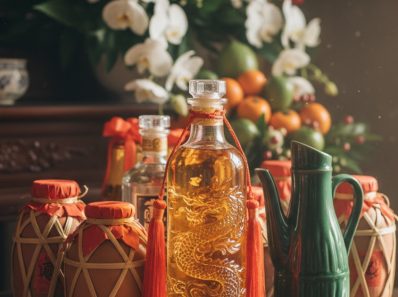
One of the initial and most significant steps in the sequence of events is the Le An Hoi, or the Engagement Ceremony. This is where the groom’s family formally visits the bride’s family to ask for her hand in marriage. This ceremony often precedes the main wedding by several months or even a year, serving as a public declaration of the couple’s intent to marry. The groom’s family brings an array of elaborate gifts, typically presented in lacquered boxes, symbolizing prosperity, fertility, and happiness. These gifts often include betel nuts, fruits, cakes, wine, and jewelry, each item carrying its own symbolic meaning. The Le An Hoi is a vibrant and essential part of how a Vietnamese wedding consists of several ceremonies, cementing the bond between the two families.
Exchanging Gifts and Blessings
During the Le An Hoi, after the formal introductions and a respectful exchange of pleasantries, the gifts are presented and accepted. The couple then performs a ritual to honor the bride’s ancestors, seeking their blessings. This ceremony is not just about the exchange of gifts; it is a profound act of respect and a commitment from both families to support the forthcoming marriage.
The Wedding Ceremony Le Cuoi and Le Don Dau
The main wedding day itself is a culmination of several smaller, yet equally important, ceremonies. The Le Don Dau, or the Groom’s Procession to the Bride’s House, traditionally marks the beginning of the wedding day. The groom, accompanied by his family and friends, journeys to the bride’s home. Upon arrival, another formal ceremony takes place, where the groom formally asks for the bride’s hand in marriage from her parents. Following this, the Le Cuoi, or the Wedding Ceremony, commences, often including a tea ceremony and an ancestor worship ritual at the bride’s home, and later at the groom’s home. This sequence truly highlights that a Vietnamese wedding consists of several ceremonies, each building upon the last.
The Tea Ceremony and Ancestor Worship
The tea ceremony is a heartfelt moment where the bride and groom serve tea to their parents, elders, and respected relatives. This act symbolizes gratitude and respect. In return, the elders offer advice, blessings, and often gifts of jewelry or money. Alongside this, worshipping ancestors is a crucial part, as the couple seeks blessings from those who came before them, ensuring a harmonious future. These rituals underscore the spiritual and familial depth of a Vietnamese wedding.
Symbolism and Rituals within Vietnamese Weddings
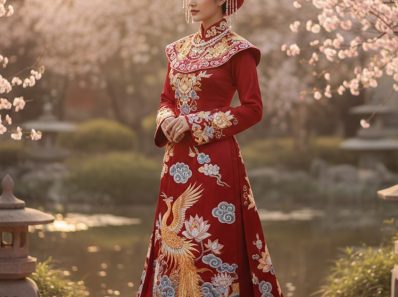
Every element within a Vietnamese wedding is rich with symbolism, from the colors chosen for attire to the specific rituals performed. Red, for instance, is a predominant color, symbolizing luck and happiness. The elaborate patterns on traditional garments, such as the Ao Dai, often feature dragons and phoenixes, representing the groom and bride respectively, and signifying prosperity and marital bliss. The specific order and execution of each ceremony also carry deep cultural significance, passed down through generations. These symbolic layers demonstrate the intricate ways a Vietnamese wedding consists of several ceremonies, each contributing to a larger narrative of love and tradition.
Traditional Attire and Its Meaning
The Ao Dai, the traditional Vietnamese dress, is central to wedding attire. Brides often wear a red Ao Dai during the engagement ceremony and a white or more elaborate one for the main wedding. Grooms typically wear a matching Ao Dai or a Western-style suit. These garments are not just clothes; they are an integral part of the cultural identity and aesthetic of the wedding, reflecting elegance and heritage.
Modern Vietnamese Wedding Adaptations
While traditional customs remain vital, modern Vietnamese weddings often blend these time-honored practices with contemporary elements. Many couples choose to incorporate a Western-style white wedding dress and a reception at a hotel or banquet hall, alongside the traditional ceremonies. This fusion reflects a desire to honor heritage while embracing modern trends and personal preferences. Despite these adaptations, the core essence remains: a Vietnamese wedding consists of several ceremonies that celebrate love, family, and cultural identity. The adaptability of these traditions ensures their continued relevance and beauty in the modern world.
Balancing Tradition with Contemporary Trends
Modern couples often find creative ways to integrate traditional elements, such as the tea ceremony, into a more contemporary wedding day schedule. This might involve holding the traditional ceremonies earlier in the day, followed by a Western-style celebration in the evening. This balance allows couples to create a wedding that feels both deeply personal and culturally resonant.
Choosing the Perfect Attire for Vietnamese Wedding Ceremonies
Selecting the ideal wedding attire is a significant aspect of preparing for the big day, especially when a Vietnamese wedding consists of several ceremonies, each potentially requiring different outfits. From the elegant Ao Dai for the traditional rituals to a stunning white gown for a modern reception, the choice of dress plays a crucial role in reflecting the bride’s personal style and the cultural significance of the event. Ensuring comfort, quality, and a perfect fit is paramount for the bride to feel confident and beautiful throughout her special day.
In conclusion, the journey of a Vietnamese wedding is a testament to rich cultural heritage, deep family bonds, and profound symbolism. From the initial Le An Hoi to the main Le Cuoi, a Vietnamese wedding consists of several ceremonies that beautifully intertwine tradition with personal commitment. Each ceremony, whether traditional or a modern adaptation, is a unique celebration of love, respect, and the joining of two families into one.
Contact Cee’s Bridal
Hotline/Zalo: +84 378 220 630
Website: https://ceesbridal.com/
Fanpage: https://www.facebook.com/CeesBridal/
Address: 16/8 Dang Van Ngu, Phu Nhuan District, Ho Chi Minh City, Vietnam
Elevate your wedding experience by designing a bespoke wedding dress at Cees Bridal. We understand the significance of each moment and offer a seamless process: from initial consultation to select your dream design, transparent quotation, and deposit. For our esteemed international clients, simply send us your measurements. We will meticulously tailor your dress, conduct a video call for your inspection, and upon final payment, your exquisite gown will be delivered to you.