The beauty and richness of Vietnamese culture are perhaps nowhere more evident than in its wedding traditions. Indeed, a Vietnamese wedding consists of several intricate and meaningful ceremonies, each playing a vital role in uniting two families and celebrating the couple’s journey. Understanding these customs is key to appreciating the depth of Vietnamese heritage.
The Engagement Ceremony Le An Hoi
Before the actual wedding day, the engagement ceremony, known as Lễ Ăn Hỏi, is a crucial first step. This formal event signifies the groom’s family’s official request for the bride’s hand in marriage. It is a vibrant display of respect and commitment, setting the stage for the union.
Formal Proposal and Introduction
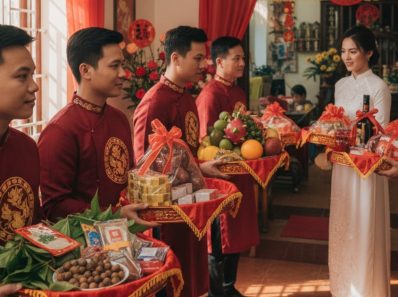
During Lễ Ăn Hỏi, the groom’s family, often accompanied by friends, travels to the bride’s home. They bring elaborately decorated trays of gifts, symbolizing prosperity and good fortune. This is where the two families formally introduce themselves and exchange pleasantries, affirming their acceptance of the impending marriage. This is a critical stage where a Vietnamese wedding consists of several symbolic gestures.
Gifts and Offerings
The gifts typically include betel and areca nuts, fruits, cakes, wine, and roasted pigs, all beautifully presented. These offerings are not just presents; they are symbolic tokens of respect and blessings for the couple. The bride’s family receives these gifts, and a portion is often shared with relatives and friends, announcing the engagement to the wider community.
The Wedding Ceremony at the Bride’s Home Le Don Dau
The main wedding day often begins with the Lễ Đón Dâu, the ceremony at the bride’s home. This is a deeply personal and emotional event, marking the transition of the bride from her family home to her new life.
Procession to the Bride’s House
The groom, accompanied by his family and often a procession of friends, arrives at the bride’s house. The procession can be quite elaborate, sometimes featuring traditional music and attire. The atmosphere is joyous and expectant, filled with anticipation for the couple’s official union.
Ancestors Worship and Tea Ceremony
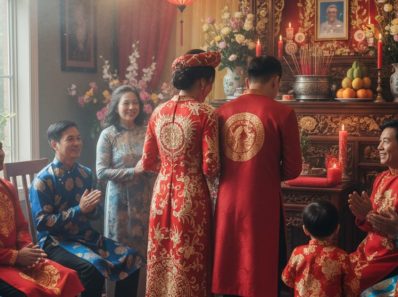
Inside the bride’s home, a significant part of the ceremony involves honoring ancestors. The couple lights incense and bows before the ancestral altar, seeking blessings for their marriage. Following this, a tea ceremony takes place where the bride and groom serve tea to their parents and elders from both families. This act signifies respect, gratitude, and the official introduction of the couple as husband and wife to their respective families. This central ritual shows how a Vietnamese wedding consists of several deeply rooted customs.
The Wedding Reception Tiệc Cưới
After the more intimate ceremonies at the bride’s home, the celebration moves to a larger venue for the Tiệc Cưới, or wedding reception. This is a grand event, often attended by a large number of guests, including extended family, friends, and colleagues.
Feasting and Entertainment
The reception is a festive occasion filled with delicious food, drinks, and entertainment. Guests enjoy a multi-course meal, often featuring traditional Vietnamese dishes. There might be live music, dancing, and various performances, creating a lively and joyful atmosphere for everyone present.
Table Visits and Toasts
A unique tradition at Vietnamese wedding receptions is for the bride and groom, often accompanied by their parents, to visit each table of guests. They greet everyone personally, express their gratitude for their presence, and toast to their health and happiness. This personal touch ensures that every guest feels appreciated and part of the celebration.
Modern Adaptations and Enduring Significance
While traditional customs remain at the heart of Vietnamese weddings, modern influences have also brought about some adaptations. Many couples now incorporate Western elements, such as white wedding gowns, into their celebrations, alongside traditional áo dài. However, the core values of family, respect, and community continue to define these beautiful ceremonies.
Blending Old and New
Couples today often seek to balance tradition with personal preferences. This might mean having a traditional Lễ Ăn Hỏi, followed by a modern reception, or integrating contemporary decor with classic attire. The essence of what a Vietnamese wedding consists of several meaningful rituals remains, even with a modern twist.
The Importance of Family Unity
Regardless of modern adaptations, the fundamental purpose of a Vietnamese wedding endures: to unite not just two individuals, but two families. The ceremonies emphasize respect for elders, gratitude for blessings, and the creation of a strong familial bond that extends beyond the couple themselves.
In conclusion, a Vietnamese wedding is a beautiful tapestry woven from rich traditions, symbolic gestures, and heartfelt celebrations. From the formal engagement to the joyous reception, each stage plays a vital role in honoring heritage and building a future. Understanding that a Vietnamese wedding consists of several distinct yet interconnected ceremonies allows for a deeper appreciation of this cultural treasure.
Contact Cees Bridal
Hotline/Zalo: +84 378 220 630
Website: https://ceesbridal.com/
Fanpage: https://www.facebook.com/CeesBridal/
Address: 16/8 Dang Van Ngu, Phu Nhuan District, Ho Chi Minh City, Vietnam
Discover your dream wedding gown with Cees Bridal’s bespoke design service. Our process includes: initial consultation for style selection, detailed quotation, deposit payment. For overseas clients, we accept measurements remotely and conduct video calls for fitting reviews. Once approved, final payment is made, and your exquisite gown is delivered.