Embark on a journey through the enchanting world of Vietnamese wedding customs. These deeply rooted traditions are a vibrant tapestry of culture, family reverence, and timeless romance, reflecting centuries of Vietnamese heritage. From elaborate ceremonies to symbolic gestures, each element plays a crucial role in uniting two families and celebrating a new beginning.
Understanding Traditional Vietnamese Wedding Customs
Vietnamese wedding customs are steeped in history and cultural significance, far beyond a simple exchange of vows. They are elaborate affairs that often span several days, involving intricate rituals that honor ancestors, seek blessings from elders, and solidify the bond between the bride and groom’s families. These traditions emphasize respect, gratitude, and the collective joy of the community.
The Significance of Family and Ancestors
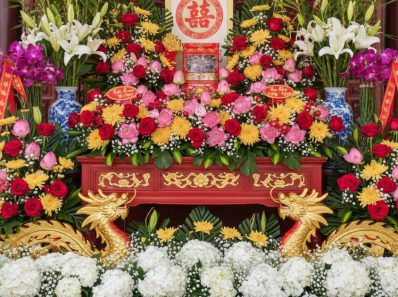
At the heart of every traditional Vietnamese wedding is the profound respect for family and ancestors. Before any celebrations begin, the couple and their families typically pay respects at the ancestral altar, seeking permission and blessings for their union. This act signifies the continuity of family lines and the importance of heritage in their new life together. The involvement of parents and elders is paramount, as their approval and guidance are considered essential for a prosperous marriage.
Key Stages of a Vietnamese Wedding
Vietnamese wedding customs generally involve several distinct stages, each with its own set of rituals and meanings. These stages typically include the engagement ceremony (Lễ Ăn Hỏi), the wedding day procession (Lễ Đón Dâu), and the tea ceremony (Lễ Gia Tiên). While modern weddings may adapt these stages, the core elements remain a testament to enduring Vietnamese wedding traditions.
The Engagement Ceremony Le Hoi An Hoi
The Lễ Ăn Hỏi, or engagement ceremony, is a pivotal event in Vietnamese wedding customs, formalizing the couple’s intention to marry. It is a vibrant and joyous occasion where the groom’s family officially asks for the bride’s hand in marriage. This ceremony is not just a proposal; it is a formal introduction and a demonstration of respect between the two families.
Gifts and Symbolism
During the Lễ Ăn Hỏi, the groom’s family brings an array of meticulously prepared gifts to the bride’s home, carried in lacquered boxes by young men, often family members or friends. These gifts typically include betel leaves and areca nuts, fruits, cakes, wine, tea, and sometimes jewelry, each symbolizing prosperity, fertility, and happiness. The number of gifts is usually odd, symbolizing growth and development, and the items are carefully selected to reflect good fortune and a sweet future for the couple.
The Tea Ceremony and Formal Introduction
Upon receiving the gifts, the bride’s family invites the groom’s family into their home. A small tea ceremony often takes place, where the families formally introduce themselves and exchange pleasantries. This event is a crucial step in building rapport and mutual respect, laying the foundation for a harmonious relationship between the in-laws. It’s a formal declaration of the engagement to the extended family and community.
The Wedding Day Procession Le Don Dau
The Lễ Đón Dâu, or wedding day procession, is one of the most visually striking aspects of Vietnamese wedding customs. On the wedding day, the groom, accompanied by his family and friends, travels to the bride’s house to officially bring her to his home. This procession is often elaborate, with traditional music and vibrant attire, symbolizing the bringing of a new member into the groom’s family.
Bridal Attire The Ao Dai and Western Gowns
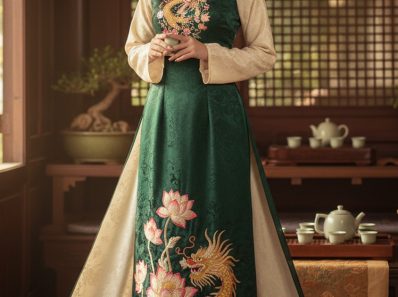
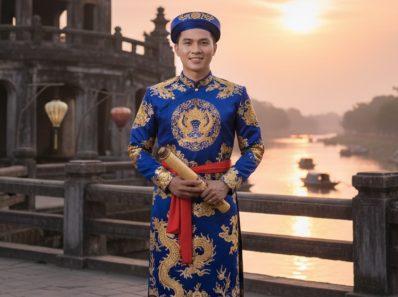
For a traditional Vietnamese wedding, the bride often wears a beautiful Áo Dài, the traditional Vietnamese long dress, typically in red or white, intricately embroidered with symbols of luck and prosperity. The groom may also wear a matching Áo Dài or a formal suit. In many modern Vietnamese wedding customs, brides also opt for a white Western-style wedding gown for part of the celebration, blending contemporary fashion with cherished traditions. This fusion highlights the evolving nature of Vietnamese bridal wear.
Rituals at the Groom’s House
Upon arrival at the groom’s house, the bride is warmly welcomed. Another significant ritual involves the couple bowing before the ancestral altar of the groom’s family, introducing the bride to his ancestors and seeking their blessings for a happy marriage. This gesture reinforces the idea that marriage is not just between two individuals but between two families and their lineages.
The Tea Ceremony and Ancestor Worship
The tea ceremony, or Lễ Gia Tiên, is a deeply personal and emotional part of Vietnamese wedding customs. It is performed at both the bride’s and groom’s homes, usually before the larger reception, and serves as a moment of profound respect and gratitude.
Honoring Elders and Asking for Blessings
During the tea ceremony, the bride and groom serve tea to their parents and other respected elders, such as grandparents, aunts, and uncles. This act is a symbol of respect and gratitude for their upbringing and guidance. In return, the elders offer blessings, advice, and often gifts of jewelry or money, symbolizing good fortune and a prosperous future. This intimate ritual highlights the strong family bonds central to Vietnamese wedding traditions.
The Wedding Reception and Festivities
Following the formal ceremonies, a grand wedding reception is typically held, inviting a larger circle of family, friends, and colleagues to celebrate the union. This reception is a lively affair with food, music, and dancing, where guests offer their congratulations and well wishes. It is a time for joyous celebration, marking the official start of the couple’s new life together within the community.
Modern Adaptations of Vietnamese Wedding Traditions
While the core essence of Vietnamese wedding customs remains strong, many couples today choose to blend traditional elements with modern preferences. This adaptation allows for a personalized celebration that still honors heritage while incorporating contemporary styles and global influences.
Blending Cultures and Personal Preferences
Modern Vietnamese weddings often see couples incorporating elements from Western weddings, such as walking down an aisle, exchanging rings, or having a first dance, alongside traditional Vietnamese wedding customs. For couples from different cultural backgrounds, this blending creates a unique celebration that respects both heritages. The key is to find a balance that feels authentic to the couple while still paying homage to their roots.
The Enduring Charm of Vietnamese Wedding Customs
Despite modern changes, the fundamental values embedded in Vietnamese wedding customs—family honor, respect for elders, and the hope for a prosperous future—continue to define these beautiful celebrations. The intricate rituals and heartfelt gestures ensure that each wedding is not just a union of two people, but a celebration of culture, community, and enduring love. These traditions, whether fully observed or adapted, continue to create memorable and meaningful experiences for all involved.
The beauty of Vietnamese wedding customs lies in their profound symbolism and the deep emotional connections they foster. From the vibrant engagement ceremony to the intimate tea rituals, each step is a testament to love, family, and heritage. These traditions ensure that a Vietnamese wedding is not merely an event, but a cherished journey.
Contact Cees Bridal
Hotline/Zalo: +84 378 220 630
Website: https://ceesbridal.com/
Fanpage: https://www.facebook.com/CeesBridal/
Address: 16/8 Dang Van Ngu, Phu Nhuan District, Ho Chi Minh City, Vietnam
Experience custom wedding dress design at Cees Bridal. Our process includes: consultation for style selection, quotation, deposit, international clients sending measurements, custom tailoring with video calls for client review, final payment, and delivery. Let us create your dream dress for your special day.