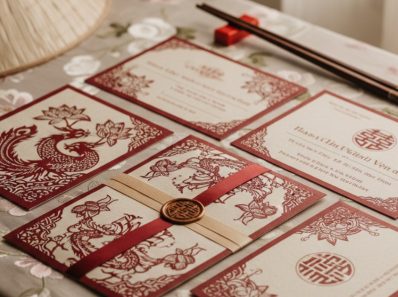
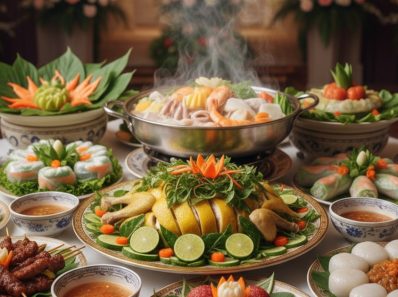
Vietnamese culture is rich with traditions, and nowhere is this more evident than in its wedding ceremonies. Understanding Vietnamese wedding customs is essential to appreciating the deep cultural values and family bonds they represent. The journey of marriage in Vietnam is not just about two individuals; it is about the union of two families, steeped in history and intricate rituals. Indeed, in Vietnam, the wedding consists of several interconnected events, each holding significant meaning and purpose. These customs highlight respect, gratitude, and the hope for a prosperous future for the newlyweds.
Understanding Vietnamese Wedding Customs
Vietnamese wedding customs have evolved over centuries, blending indigenous beliefs with influences from various cultures. Historically, marriages were often arranged, emphasizing family lineage and social standing. Today, while love matches are common, family approval remains paramount. The process of marriage, known as Vietnamese wedding customs, is a beautiful and elaborate affair. The wedding consists of several distinct phases, ensuring every aspect of the union is blessed and celebrated according to tradition. These phases are not merely formalities; they are expressions of a vibrant cultural heritage that values community and familial harmony.
Historical Context of Vietnamese Marriages
Historically, Vietnamese marriages were communal events, designed to strengthen social ties and ensure the continuation of family lines. The role of elders and matchmakers was crucial, guiding couples through the intricate dance of courtship and betrothal. This foundation shaped the structure of present-day Vietnamese wedding customs. The wedding consists of several layers of meaning, reflecting both ancient wisdom and enduring cultural values.
Roles of Family in Vietnamese Weddings
Family plays an indispensable role in Vietnamese wedding customs. Parents, grandparents, and extended family members are actively involved in every decision and ceremony. Their blessings are considered vital for a happy and successful marriage. The collaborative effort in preparing for a wedding truly exemplifies how Vietnamese wedding customs ensure the wedding consists of several contributions from the entire family unit.
The Engagement Ceremony Lễ Ăn Hỏi
The Lễ Ăn Hỏi, or engagement ceremony, marks the official declaration of a couple’s intention to marry. It is a formal request from the groom’s family to the bride’s family for her hand in marriage. This significant event is a central part of Vietnamese wedding customs. The wedding consists of several pre-wedding rituals, and Lễ Ăn Hỏi is arguably the most important one. It solidifies the bond between the two families long before the wedding day itself.
Gift Presentation and Exchange
During Lễ Ăn Hỏi, the groom’s family presents a procession of elaborately decorated trays filled with traditional gifts to the bride’s family. These gifts symbolize prosperity, fertility, and happiness. Common items include betel leaves and areca nuts, tea, cakes, fruits, and sometimes jewelry for the bride. The careful selection and presentation of these gifts are integral to Vietnamese wedding customs. The wedding consists of several symbolic exchanges, and the gifts at Lễ Ăn Hỏi are a key part of this.
Ancestral Altar Blessings
A crucial part of the engagement ceremony involves honoring the ancestors. Both families offer prayers and incense at their respective ancestral altars, seeking blessings for the couple. This act emphasizes the spiritual dimension of Vietnamese wedding customs. The wedding consists of several moments of reverence, and paying respect to ancestors is a profound one.
The Wedding Ceremony Lễ Cưới
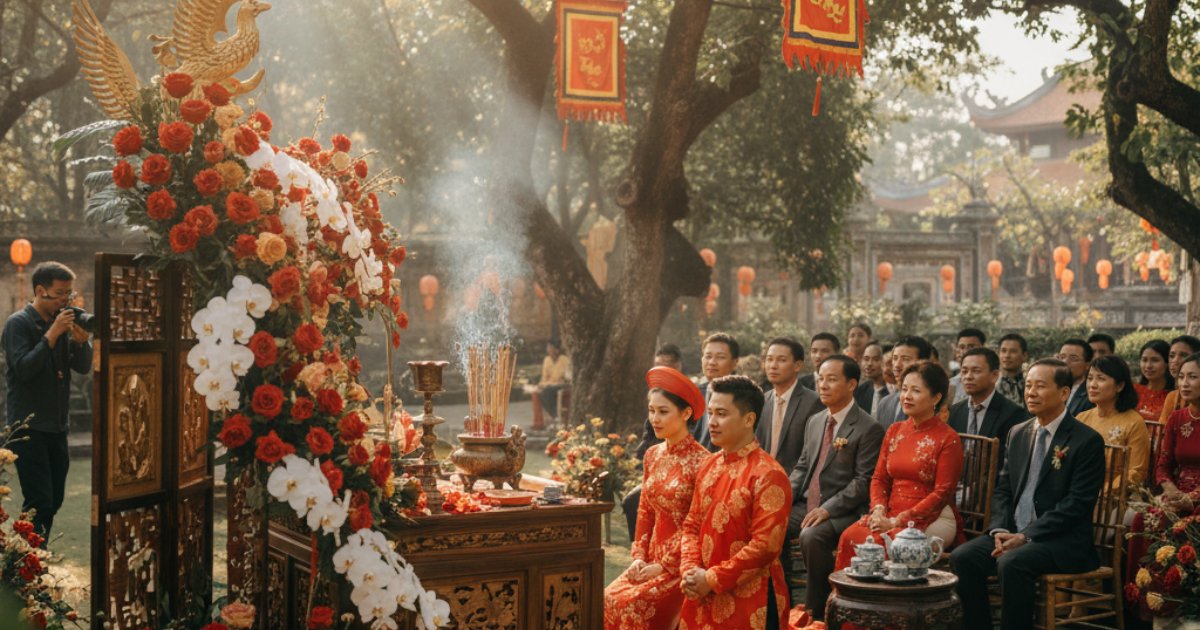
The Lễ Cưới, the actual wedding ceremony, is the culmination of all preparations and traditions. It is a joyous and elaborate affair, typically held at the bride’s home first, followed by a reception. This is the main event in Vietnamese wedding customs. The wedding consists of several key stages throughout the day, each with its own specific rituals and significance.
Procession to the Bride’s Home
On the wedding day, the groom’s procession, accompanied by family and friends, travels to the bride’s home. The procession is often grand, with music and traditional attire. Upon arrival, the groom formally asks for permission to take his bride. This lively parade is a highlight of Vietnamese wedding customs. The wedding consists of several vibrant elements, and the procession is a key visual spectacle.
Ancestor Worship and Tea Ceremony
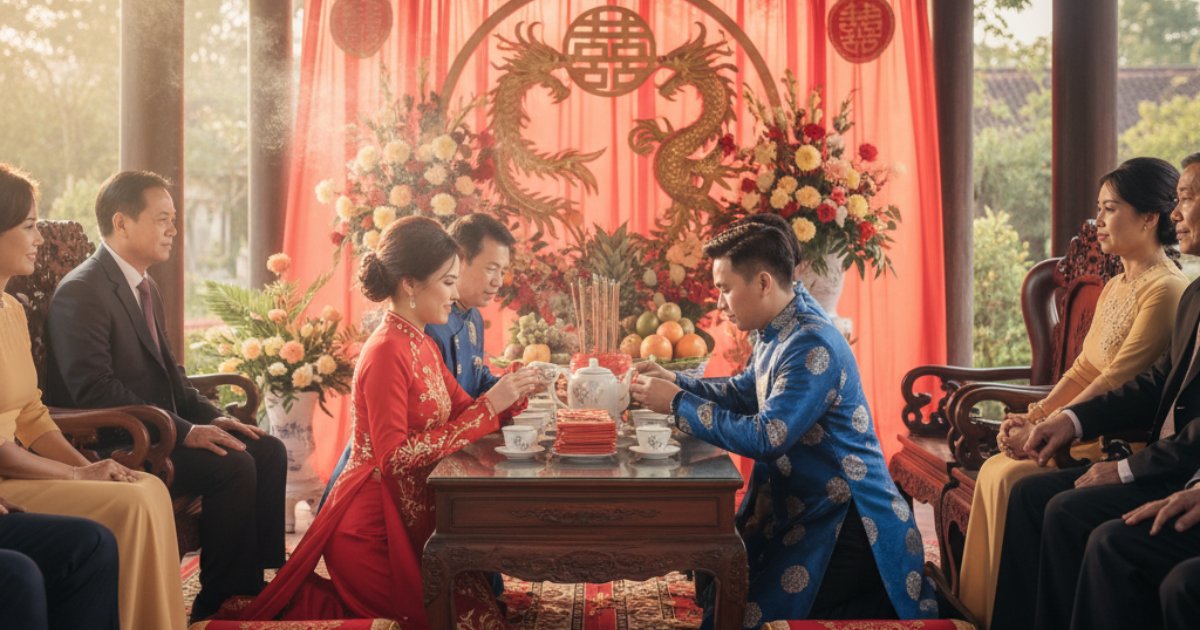
Inside the bride’s home, both families gather before the ancestral altar. The couple offers prayers and incense, seeking blessings from their ancestors. This is followed by the tea ceremony, where the bride and groom serve tea to their parents, grandparents, and other elders. This act symbolizes respect and gratitude. These deeply meaningful rituals are central to Vietnamese wedding customs. The wedding consists of several moments of family interaction, and the tea ceremony is one of the most intimate.
The Wedding Reception
Following the ceremonies at the bride’s home, a grand reception is usually held, often at a restaurant or banquet hall. Guests are invited to celebrate with food, drinks, and entertainment. The newlyweds often visit each table to thank their guests personally. The reception is a festive conclusion to the main part of Vietnamese wedding customs. The wedding consists of several celebrations, and the reception is the largest gathering of friends and family.
Traditional Attire for Vietnamese Weddings
Traditional attire plays a significant role in Vietnamese wedding customs, adding beauty and cultural authenticity to the celebrations. The garments are often vibrant and intricately designed, reflecting artistic heritage.
The Bride’s Ao Dai
The bride traditionally wears an Ao Dai, the elegant Vietnamese national dress. For weddings, the Ao Dai is often made of silk or brocade, adorned with intricate embroidery or beadwork, and typically in auspicious colors like red or white. This beautiful gown is an iconic part of Vietnamese wedding customs. The wedding consists of several visual elements, and the bridal Ao Dai is certainly a standout.
The Groom’s Attire
While some grooms choose Western suits, many still opt for a matching Ao Dai or a traditional Vietnamese tunic. This choice complements the bride’s attire and reinforces the traditional aspect of the celebrations. His attire is also an important part of Vietnamese wedding customs.
Symbolism and Significance in Vietnamese Wedding Customs
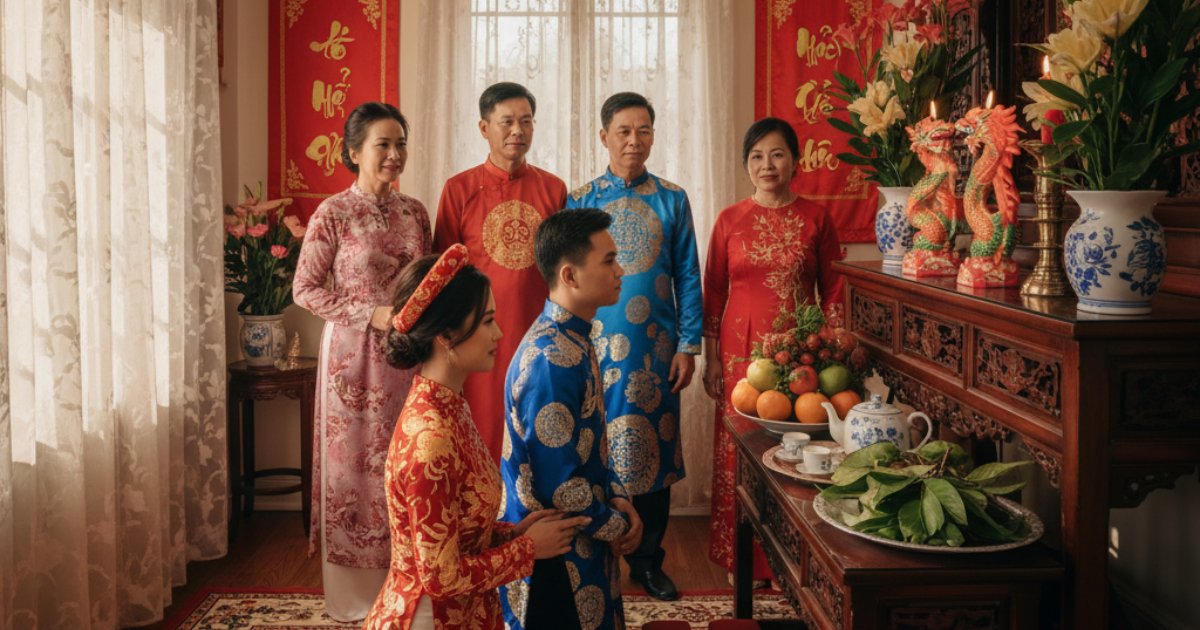
Every element within Vietnamese wedding customs carries symbolic meaning, reinforcing the values of family, prosperity, and happiness. The wedding consists of several layers of symbolism, making each ritual profoundly meaningful.
Colors Red and Gold
Red symbolizes luck, happiness, and prosperity, while gold represents wealth and royalty. These colors are prominently featured in decorations, attire, and gifts, reflecting wishes for a bright future. The use of these colors is a key aspect of Vietnamese wedding customs.
Offerings and Blessings
The various offerings made to ancestors and the blessings sought from elders underscore the importance of respect for heritage and family unity. These acts ensure the union is blessed by those who came before. Such offerings are intrinsic to Vietnamese wedding customs. The wedding consists of several offerings throughout the various ceremonies.
Modern Adaptations of Vietnamese Wedding Traditions
While deeply rooted in tradition, Vietnamese wedding customs have also adapted to modern times. Couples often blend traditional rituals with contemporary preferences, creating unique celebrations that honor both past and present. The wedding consists of several opportunities for personal touches within the traditional framework.
Incorporating Western Influences
Many couples now incorporate elements of Western weddings, such as white wedding gowns, church ceremonies (for Christian couples), and modern wedding photography. These additions often complement, rather than replace, traditional Vietnamese wedding customs.
Maintaining Core Traditions
Despite modern influences, the core values and essential rituals of Vietnamese wedding customs remain. The Lễ Ăn Hỏi, ancestor worship, and tea ceremony are almost always preserved, ensuring that the essence of Vietnamese heritage endures. The wedding consists of several unchangeable traditions that define its cultural identity.
The richness of Vietnamese wedding customs, where the wedding consists of several deeply meaningful ceremonies and celebrations, offers a beautiful glimpse into Vietnamese culture. Each step, from the initial proposal to the final reception, is imbued with symbolism, respect, and the promise of a loving future. These traditions ensure that a marriage is not just a personal event but a communal affirmation of enduring values and family unity.
Thiết kế may đo váy cưới tại CeesBridal và lý do, quy trình: tư vấn chọn mẫu, báo giá, nhận cọc, khách hàng ở nước ngoài gửi số đo cho CeesBridal, may theo đúng số đo và videocall cho khách kiểm tra, thanh toán và nhận hàng